

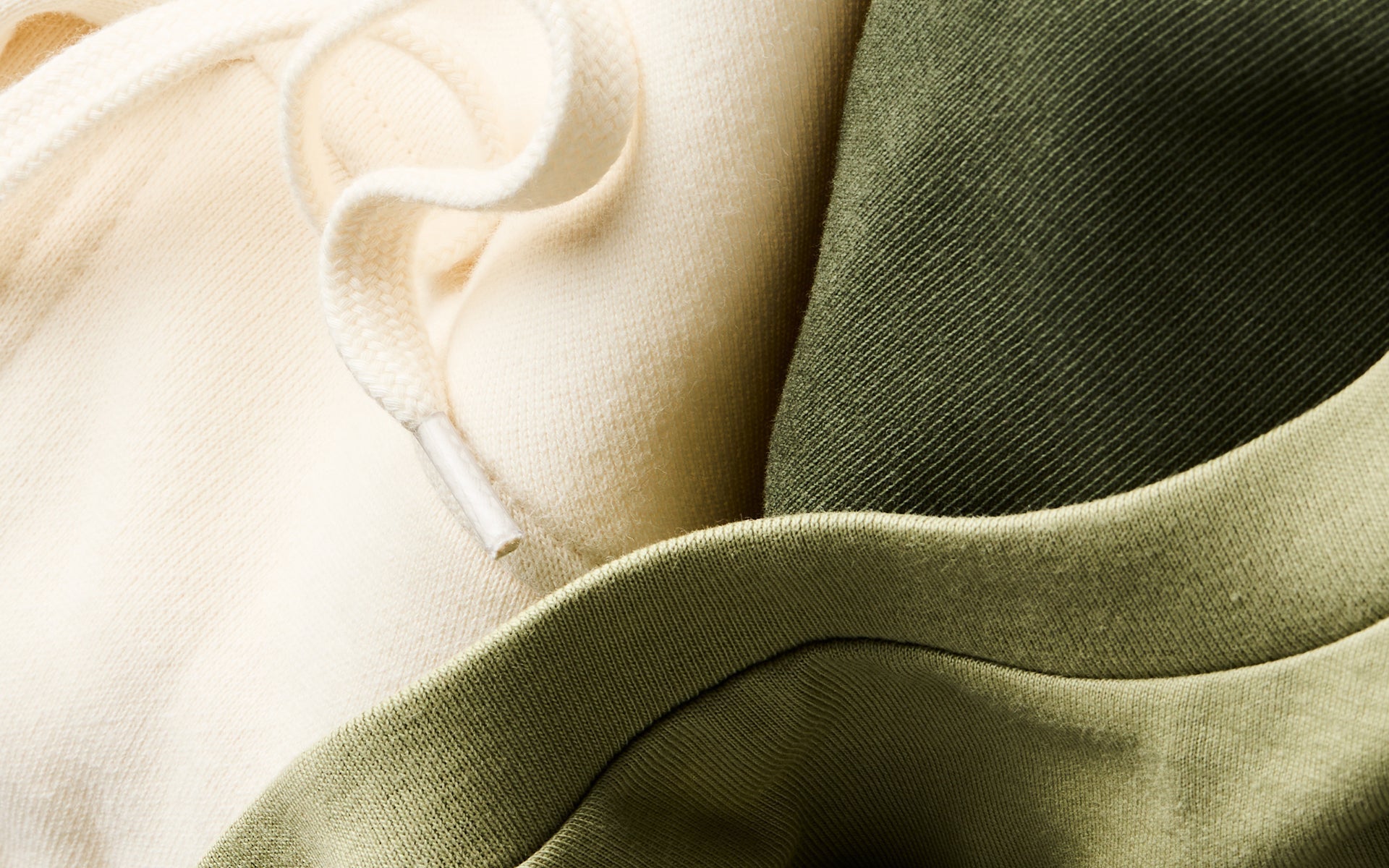
Fabric and GSM: What it means and why it matters
If you’ve ever looked at a product description and seen words like cotton, blend or 180 GSM and thought, “Yep… cool… no idea”, you’re not alone.
Fabric and GSM are two of the most important factors when choosing custom apparel, but they’re also two of the least explained. And while they might sound technical, they directly affect how a garment feels, wears, prints, and holds up over time.
So let’s break it down properly.
What Do We Mean by “Fabric”?
On the surface, this might seem like an obvious question. Fabric is… fabric, right? And while this is true, there’s more to a material than just what it’s made from. For example, we also need to consider how it behaves.
Two t-shirts can both say “100% cotton” and feel completely different in your hands. That comes down to things like fibre quality, yarn thickness, weave, and finish.
Here’s a simple way to think about it:
- Cotton: Soft, breathable, comfortable. A go-to for everyday wear and most custom printing.
- Polyester: Durable, lightweight, moisture-wicking. Often used for sportswear and performance gear.
- Blends (Cotton/Poly): A mix of comfort and durability. Less prone to shrinking and often holds shape well.
None of these are “better” by default. The right fabric depends on how the garment will actually be used.
What Does GSM Mean?
GSM stands for grams per square metre. In simple terms, it tells you how heavy the fabric is.
- Lower GSM means a lighter fabric
- Higher GSM means a heavier fabric
While that sounds straightforward, GSM plays a big role in how a garment actually feels and performs. It affects things like drape, structure, warmth, breathability, and how the fabric holds up over time.
It’s also one of the main reasons two t-shirts that look similar can feel completely different once you put them on.
Common GSM Ranges (and What They’re Best For)
Rather than strict rules, think of these as general guides.
Lightweight (approx. 130–160 GSM)
Breathable and easy to wear. Often chosen for warm weather, sportswear, or some fashion-focused fits. These fabrics feel light on the body, but won’t have much structure.
Midweight (approx. 170–200 GSM)
The everyday favourite. This range strikes a balance between comfort and durability and works well for uniforms, merch, and general-purpose wear.
Heavyweight (200+ GSM)
Thicker, more structured and often considered more “premium” feeling. Commonly used for streetwear, retail merch and garments designed for longevity.
There’s no “best” GSM. It all comes down to purpose.
How Fabric & GSM Affect Printing and Embroidery
Fabric choice doesn’t just affect how a garment feels; it also impacts how it takes a print or embroidery.
Lighter fabrics can feel great to wear, but heavier fabrics often produce more consistent print results. Fabric texture and absorbency influence how ink sits on the surface and how colours appear once cured.
With embroidery, fabric stability matters even more. Heavier, more structured garments tend to support stitching better, while lightweight fabrics can pucker or distort if the stitch density isn’t suited to the material. The other thing to consider is the embroidery backing. The lighter the fabric, the more noticeable this becomes. That's why embroidery is a great choice for hoodies, crew necks, hats and beanies, due to the weight and density of the garment material.
So, in short, this is why the same design won’t always behave the same way across different garments.
What About Organic Cotton?
Some brands also offer organic cotton options, and it’s worth understanding what that actually means.
Organic cotton refers to how the cotton is grown and processed, not how heavy the fabric is or how it performs on the body. It’s produced without synthetic pesticides or fertilisers, which reduces environmental impact and supports healthier farming practices.
From a wear perspective, organic cotton can feel just as soft and comfortable as conventional cotton. It still comes in a range of GSM options and finishes, so choosing organic doesn’t replace decisions around fabric weight or garment style. It simply adds another consideration to the mix.
The “Best” Option Depends on How You’ll Use It
When choosing custom apparel, price is only one part of the equation.
We also consider:
- Who’s wearing it and how often
- Whether it’s for staff, merch, events or retail
- How type of wear it will endure
- The printing or embroidery method being used
- The overall look and feel you’re aiming for
A lightweight tee might be perfect for a one-day event. A midweight tee often makes more sense for team uniforms. A heavyweight tee could be the right choice for retail merch designed to go the distance.
Context matters.
Choosing the Right Garment (Without Memorising GSM Numbers)
You don’t need to become a fabric expert to order custom apparel.
That’s what we’re here for.
Our role is to help you choose garments that suit your brand, your use case and your budget, so you don’t end up reordering, replacing, or wondering why something doesn’t feel quite right.
If you’re unsure which fabric or GSM is right for your project, we’re always happy to talk it through. Whether you’re ordering for a team, an event or retail merch, we’ll help you choose something that makes sense from the start.


